Small House Materials Guide
A practical step-by-step guide to small house materials guide, including preparation, instructions, common issues, tips, and next steps.
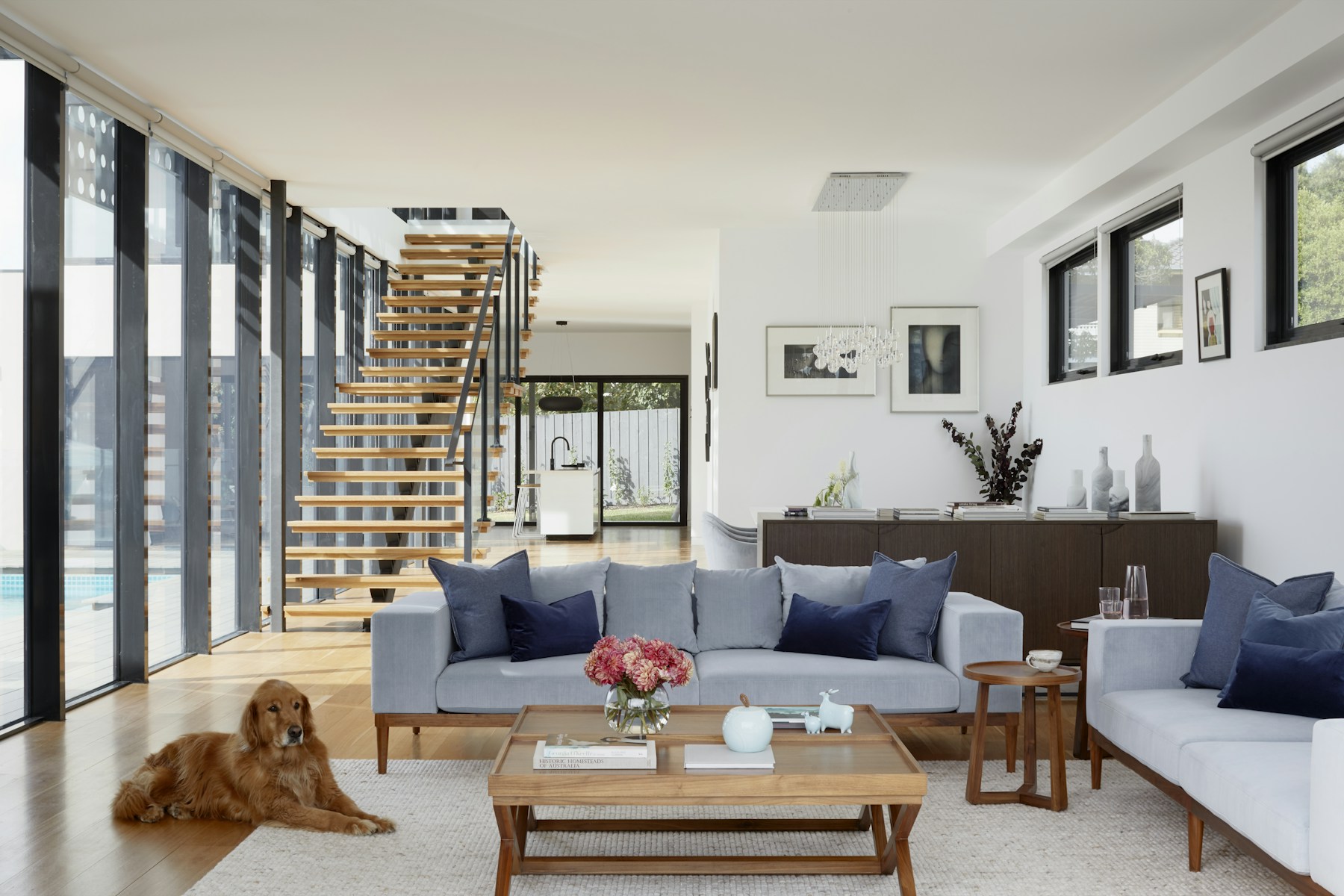
Small House Materials Guide
This guide helps you choose the best materials for your small home, whether you're planning a new build, a renovation, or an extension. It focuses on selections that maximise space, enhance light, improve energy efficiency, and offer long-term durability without sacrificing style. Understanding these material choices can make a compact living space feel much larger, more functional, and more comfortable, turning small challenges into clever design opportunities.
Fast Answer
- Maximising Space: Opt for multi-functional and compact materials.
- Enhancing Light: Prioritise light colours, reflective surfaces, and glass.
- Durability & Efficiency: Choose robust, low-maintenance, and energy-efficient options.
- Budgeting: Factor in long-term costs and installation alongside initial material price.
Before You Start
- Detailed Floor Plans: Have accurate dimensions and layouts of your small home or the specific area you're working on. This helps visualise material impact.
- Budget Outline: Establish a clear financial limit for materials and their installation. Unexpected costs can quickly add up in smaller projects.
- Understanding of Local Regulations: Familiarise yourself with UK building regulations and planning permissions that might affect material choices, especially for structural changes or exterior finishes.
- Defined Goals: Know what you want to achieve. Are you aiming for more light, better storage, improved energy performance, or a specific aesthetic?
- Material Samples: Where possible, collect physical samples of materials you're considering. Seeing and feeling them in your actual space can make a huge difference.
- Lifestyle Assessment: Consider how you use your space. Do you have pets, children, or a busy household? This impacts durability and maintenance needs.
Step-by-Step Instructions
1. Define Your Small Home's Needs and Aesthetic
Before diving into specific materials, take time to understand what your small home truly needs and what style you want to achieve. Consider your daily routines, the amount of natural light available, and how each space is used. Think about the overall feeling you want to create – is it cosy, modern, minimalist, or rustic? This initial reflection will guide all your subsequent material decisions. Sketch out ideas or create a mood board to visualise different aesthetics and functionalities. A small home benefits greatly from a cohesive design, so choose materials that work well together throughout the space.
Assess areas where you feel constrained or where functionality is lacking. Perhaps you need more storage, better soundproofing, or improved thermal comfort. Your lifestyle should heavily influence these choices; a busy family home will have different material priorities than a minimalist single-person dwelling. Note down key words that describe your ideal space, such as "bright," "calm," "efficient," or "warm."
2. Prioritise Space-Saving and Multi-Functional Materials
In a small house, every material choice should ideally contribute to space efficiency or serve multiple purposes. Look for materials that can be integrated seamlessly, reduce clutter, or have a minimal visual footprint. For example, rather than thick internal walls, consider using built-in cabinetry or shelving units as room dividers. These not only define areas but also provide essential storage, turning a structural element into a functional one.
Think about materials that allow for clever hidden storage solutions. Plywood or custom-built joinery can create benches with lift-up lids, staircases with integrated drawers, or wall panels that conceal cupboards. When selecting finishes, consider materials that are durable enough for high-traffic areas but can also blend into the background, allowing other elements to stand out without adding visual noise. Compact appliances integrated into kitchen cabinetry made from sleek, simple panels are another excellent example of this principle.
3. Embrace Light-Enhancing and Reflective Surfaces
One of the most effective ways to make a small house feel larger and more inviting is to maximise natural light and use materials that reflect it. Light colours are your best friends here. White, off-white, and pale neutral paints for walls and ceilings can dramatically open up a space. They reflect light rather than absorbing it, making rooms appear brighter and more expansive.
Beyond paint, consider materials with naturally reflective qualities. Polished concrete floors, glossy tiles, light-coloured wood with a satin finish, or even strategically placed mirrors can bounce light around a room. Glass is another powerful tool; internal glass partitions or doors can separate spaces without blocking light, maintaining an open feel. Even kitchen splashbacks made from glass or high-gloss tiles can contribute to light reflection. Avoid dark, heavy materials in large quantities, as they can make a small room feel enclosed and smaller.
4. Focus on Durability and Low Maintenance
In a small home, every surface and material tends to experience more wear and tear because all areas are typically high-traffic zones. Therefore, selecting durable and low-maintenance materials is crucial for long-term satisfaction and to keep your home looking good with minimal effort. Investing in robust materials upfront can save you time and money on repairs and replacements later on.
For flooring, consider engineered wood, high-quality laminate, or porcelain tiles, which are resilient and easy to clean. Walls can benefit from washable paints or durable finishes like plaster with a good quality emulsion. Kitchen worktops made from quartz, compact laminate, or stainless steel are highly resistant to scratches, heat, and stains. When choosing textiles for upholstery or curtains, look for hard-wearing fabrics that can withstand frequent use. Prioritise materials that are easy to wipe down, resistant to moisture, and don't show dirt easily.
5. Consider Thermal Performance and Energy Efficiency
Small houses often have a smaller surface area to heat or cool, which can be an advantage for energy efficiency. However, choosing the right materials is still paramount to creating a comfortable and cost-effective home. Focus on materials that offer excellent thermal insulation and minimise heat loss or gain. This is especially important for external walls, roofs, and windows in the UK climate.
High-performance insulation materials like mineral wool, PIR boards, or even natural alternatives such as sheep's wool or wood fibre can significantly reduce your energy bills. For windows, always opt for double or triple glazing with a low U-value to prevent heat escape. Consider the R-value or U-value of all materials that form your home's envelope. Materials with high thermal mass, like concrete or brick, can also help regulate indoor temperatures by slowly absorbing and releasing heat, though they need to be balanced with good insulation. Incorporate draught-proofing around doors and windows using appropriate seals and brushes.
6. Plan for Smart Storage Solutions within Materials
Every inch counts in a small house, making integrated storage a non-negotiable feature. Materials themselves can become storage solutions rather than just surfaces. Think beyond standalone furniture and explore how walls, floors, and even ceilings can incorporate hidden compartments or bespoke shelving. Custom joinery, often made from plywood or MDF, can be tailored precisely to your space, using awkward nooks and crannies that would otherwise be wasted.
Consider wall systems that integrate shelves, desks, or even fold-down beds. Built-in wardrobes can be designed to go floor-to-ceiling, maximising vertical space. Explore clever under-stair storage using pull-out drawers made from engineered wood. Even kitchen islands can be constructed with deep drawers and shelving on multiple sides. The goal is to make storage blend seamlessly into the architecture, often using the same materials and finishes as the surrounding elements to maintain a clean, uncluttered look. This reduces the need for additional furniture, freeing up valuable floor space.
7. Evaluate Acoustic Properties for Comfort
In smaller homes, especially those with open-plan layouts, sound can travel easily, leading to a noisy and less private environment. Materials play a significant role in managing acoustics. Hard, reflective surfaces like polished concrete, large tiles, and bare plaster walls can bounce sound, creating echoes and making conversations difficult. Soft, absorbent materials, on the other hand, can help to dampen sound and improve comfort.
Consider incorporating materials such as carpets or rugs for flooring, which absorb impact noise. Wall panels made from fabric, cork, or even certain types of timber can help to absorb sound waves. Heavy curtains or blinds can also contribute to acoustic dampening. For internal doors, choose solid core options over hollow core for better sound insulation between rooms. Even furniture made from upholstered materials can help. While you might want to avoid an overly "padded" look, a strategic mix of soft and hard materials is key to creating a balanced acoustic environment in a compact space.
8. Research Local and Sustainable Material Sourcing
For an environmentally conscious build or renovation, consider the origin and sustainability of your materials. Sourcing materials locally reduces their carbon footprint due to shorter transportation distances and supports local businesses. The UK has a growing market for sustainable building materials, from recycled aggregates to sustainably harvested timber.
Look for materials with certifications like FSC (Forest Stewardship Council) for wood products, indicating responsible forest management. Explore options like reclaimed timber for character and reduced environmental impact, or recycled glass countertops. Natural insulation materials, such as hemp, sheep's wool, or wood fibre, are becoming increasingly available and offer excellent performance while being renewable. Consider the embodied energy of materials – how much energy was used to produce them. Opting for materials that are naturally abundant, have low processing requirements, or are recycled contributes significantly to the overall sustainability of your small home project.
9. Create a Material Palette and Budget
Once you have a good idea of the types of materials that suit your small house, it's time to consolidate your choices into a cohesive material palette and firmly establish your budget. A material palette is a collection of all the chosen finishes – paints, flooring, worktops, tiles, and fabrics – that will be used throughout your home. This visual tool helps ensure that all elements work harmoniously together, avoiding a cluttered or disjointed look which is particularly jarring in a small space.
Gather samples of everything you're considering and lay them out. Pay attention to how different textures, colours, and patterns interact under various lighting conditions. Simultaneously, obtain detailed quotes for each material, including delivery and installation costs. Be transparent with suppliers about your budget, and don't forget to factor in a contingency fund (typically 10-15% of the total) for unexpected issues. Compare durability against cost, and consider the long-term value over initial savings for key elements.
10. Consult Professionals for Complex Choices
While this guide provides a strong foundation, some material choices, especially those affecting structural integrity, energy performance, or complex installations, are best discussed with qualified professionals. An architect can help you integrate materials into a holistic design, optimising flow and light. A structural engineer is essential if you're considering altering load-bearing walls or making significant changes to the building's envelope.
For specialist installations like underfloor heating, specific insulation systems, or bespoke joinery, bringing in expert tradespeople is crucial. They can advise on the best materials for the job, ensure compliance with building regulations, and execute the work to a high standard. Don't hesitate to seek multiple quotes and check references. A small upfront investment in professional advice can prevent costly mistakes and ensure your material choices are not only aesthetically pleasing but also structurally sound, compliant, and energy-efficient for years to come.
Quick Reference
| Situation | Use this | Why |
|---|---|---|
| Maximising natural light | Light-coloured paints, reflective tiles, glass partitions | Reflects light, makes rooms appear larger and brighter, maintains open feel. |
| Needing versatile storage | Custom joinery (plywood/MDF), integrated shelving | Utilises every inch, provides bespoke solutions, blends into architecture. |
| High-traffic floor areas | Engineered wood, porcelain tiles, high-quality laminate | Durable, resistant to wear, easy to clean and maintain. |
| Improving energy efficiency | High-performance insulation, double/triple glazing | Reduces heat loss/gain, lowers energy bills, enhances comfort. |
| Reducing noise and echo | Carpets, rugs, acoustic wall panels, solid core doors | Absorbs sound, creates a quieter, more private interior. |
| Eco-friendly construction | FSC-certified timber, reclaimed materials, natural insulation | Lowers carbon footprint, supports sustainability, often unique aesthetic. |
Common Problems When Choosing Small House Materials
- Overwhelm by Choice: The vast array of materials can be daunting.
Fix: Start by defining your core needs (e.g., durability, light, storage) and aesthetic first. Filter materials based on these non-negotiables before exploring wider options.
- Underestimating Costs: Focussing only on material price and forgetting about installation, delivery, and waste removal.
Fix: Get comprehensive quotes that include all associated costs, and always set aside a 10-15% contingency budget for unforeseen expenses.
- Ignoring Maintenance Requirements: Choosing beautiful but high-maintenance materials that become a burden.
Fix: Always research the cleaning and upkeep required for materials. Prioritise ease of care, especially for high-contact surfaces in a small home.
- Lack of Samples: Making decisions based solely on online images, leading to disappointment when materials arrive.
Fix: Order or collect physical samples of all major materials. View them in your home's actual lighting conditions at different times of day.
- Neglecting Building Regulations: Forgetting to check local UK building codes or planning permissions for certain materials or alterations.
Fix: Consult local planning departments and building control early in your project. Professional advice can ensure compliance.
- Disjointed Aesthetic: Using too many different styles or colours, making a small space feel chaotic rather than cohesive.
Fix: Stick to a limited palette of 2-3 main materials and 3-5 complementary colours. Create a physical mood board to ensure harmony.
Advanced Tips for Small House Materials
- Modular and Prefabricated Elements: Explore materials and components that come as modular units or are prefabricated off-site. This can reduce on-site waste, speed up construction, and ensure precision, which is particularly beneficial in tight spaces. Examples include prefabricated wall panels with integrated services or modular kitchen units.
- Biophilic Design Integration: Introduce materials that connect your small home with nature. This includes natural timber, stone, cork, or even living walls. These materials can improve air quality, reduce stress, and bring a sense of calm and expansiveness to a compact interior.
- Smart Material Technology: Consider materials that integrate smart technology. This could be glass that can switch from transparent to opaque for privacy, or flooring with embedded sensors for smart home systems. These add functionality without requiring additional space for bulky devices.
- Materials for Flexible Spaces: Design with materials that allow for transformation. This could involve using sliding partitions (wood, glass, or acoustic panels) to reconfigure a room, or materials that support fold-away furniture, allowing a single space to serve multiple functions throughout the day.
- Material Transparency: Opt for materials with a clear, honest finish that reveals their true nature. For example, exposed concrete, raw timber, or polished plaster can add depth and character without needing extra decorative layers, celebrating the material itself.
- Acoustic Isolation for Privacy: For areas where true sound privacy is needed (e.g., a small home office or bedroom), investigate advanced acoustic materials like mass-loaded vinyl within wall cavities or specialised acoustic plasterboard to create sound barriers.
Small House Materials Guide FAQ
- What are the best flooring materials for small homes?
For small homes, durable, light-coloured, and low-maintenance flooring is ideal. Options like engineered wood, high-quality laminate, or polished concrete can make rooms feel larger and are easy to clean. Large format tiles can also work well, creating fewer grout lines and a more expansive feel.
- How can I make a small room feel bigger with material choices?
To make a room feel bigger, choose light and neutral colours for walls and ceilings, use reflective surfaces (like mirrors or glossy tiles), and opt for materials with a continuous flow (e.g., the same flooring throughout an open-plan area). Glass partitions can divide space without blocking light, maintaining an open feel.
- Are sustainable materials always more expensive?
Not necessarily. While some specialist sustainable materials can have a higher upfront cost, many are becoming more competitive. Additionally, their long-term benefits, such as durability, energy efficiency, and lower maintenance, can result in overall cost savings. Local and reclaimed materials can also be very cost-effective.
- What kind of wall finishes work best in compact spaces?
Smooth, light-coloured finishes are generally best for walls in small spaces as they reflect light and don't overwhelm the eye. Washable matt or eggshell paints in white or pale neutrals are popular. For texture, consider very subtle wallpaper patterns or textured plaster that adds depth without busyness.
- How important is insulation in a small house?
Insulation is critically important for any home, regardless of size. In a small house, good insulation ensures consistent temperatures, reduces energy consumption for heating and cooling, and significantly improves comfort. Quality insulation prevents draughts and maintains a stable indoor environment, contributing to lower utility bills.
- Should I use the same materials throughout my small house?
Using a consistent material palette can help a small house feel more cohesive and expansive. However, you can introduce variations for specific zones (e.g., different tiles in a bathroom). The key is to ensure these variations complement the main palette rather than clashing, maintaining a unified visual flow.
Final Checklist for Small House Materials Guide
Your Home's Needs Defined: Have you clearly identified the functional and aesthetic goals for your small house?
Space-Saving Prioritised: Are your material choices contributing to maximum space utilisation and multi-functionality?
Light Maximised: Have you selected materials that enhance natural light and contribute to an airy feel?
Durability Assessed: Are your chosen materials robust and capable of withstanding daily wear and tear?
Maintenance Considered: Are the materials easy to clean and maintain, suitable for a busy small home?
Energy Efficiency Included: Do your materials contribute positively to your home's thermal performance and insulation?
Smart Storage Integrated: Have you planned for materials that incorporate clever, built-in storage solutions?
Acoustic Comfort Reviewed: Are there materials to manage sound and ensure a peaceful living environment?
Sustainability Checked: Have you considered local and eco-friendly sourcing for your materials?
Material Palette Cohesive: Do all your material choices work together visually to create a harmonious look?
Budget Confirmed: Have you detailed all costs, including installation and a contingency fund?
Regulations Verified: Have you ensured all material choices comply with GB building codes and planning rules?
Professional Advice Sought: For complex aspects, have you consulted architects, engineers, or specialist tradespeople?
Samples Viewed: Have you physically seen and felt the materials in your home's light before final decisions?
What should I check before acting on advice about small house materials guide?
Use this guide as a starting point, compare current specifications and costs, and check the details that apply to your own situation before making a purchase or booking.
Where can I find related small-spaces-storage guidance?
Browse the related guides in this section for practical comparisons, planning notes, and next steps that support the same decision.