Small House Lighting Guide
A practical step-by-step guide to small house lighting guide, including preparation, instructions, common issues, tips, and next steps.
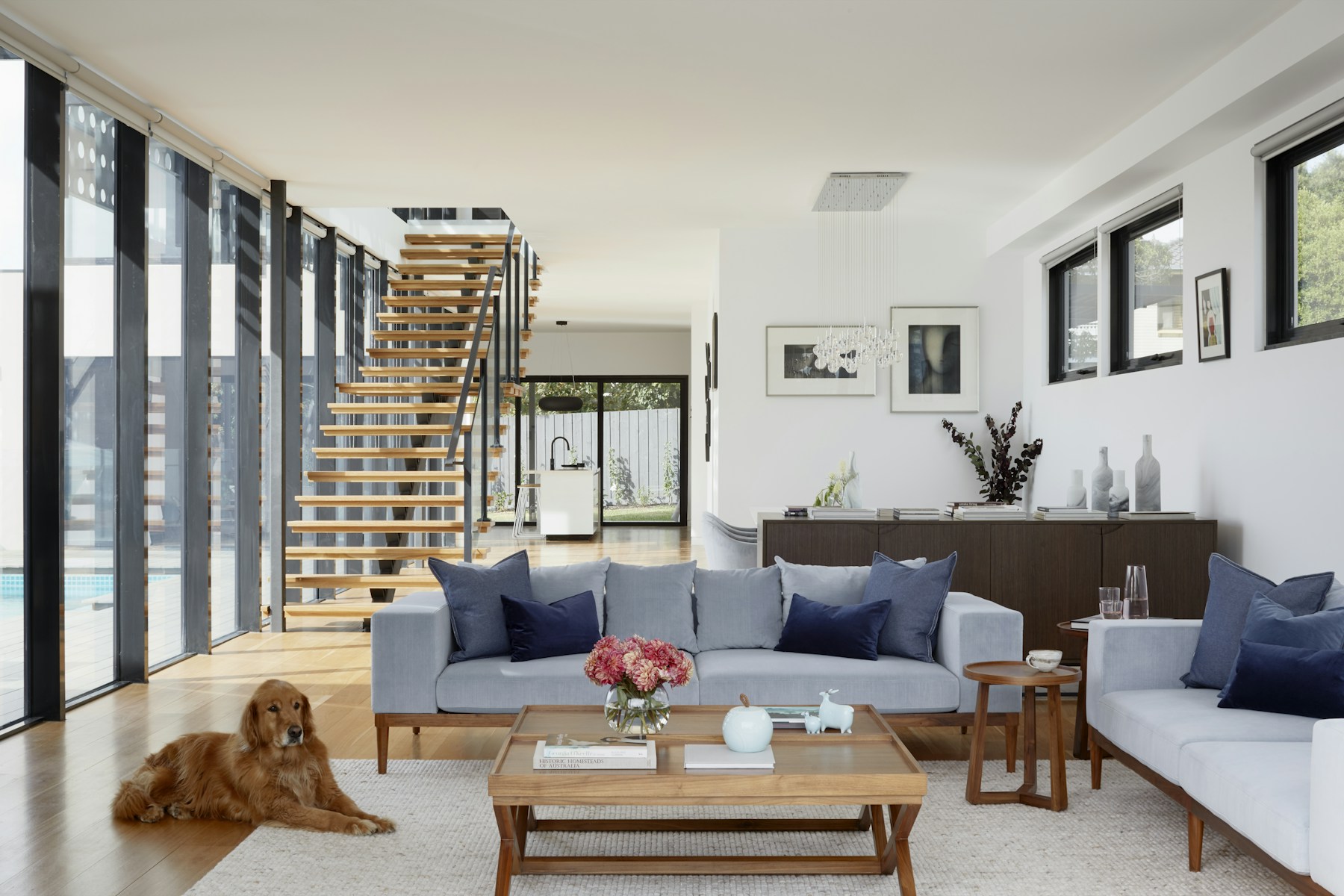
Small House Lighting Guide
Effective lighting can transform a small house, making rooms feel larger, more inviting, and highly functional. This guide shows you how to plan and implement a lighting scheme that maximises space and mood, whether you're decorating a new home or looking to upgrade your existing setup. It helps homeowners create layered, efficient, and beautiful lighting solutions tailored for compact living.
Fast Answer
- Key Strategy: Layered Lighting
- Focus: Ambient, Task, Accent
- Impact: Maximises Space & Mood
Before You Start
- Measuring tape: For accurate room dimensions and fixture placement.
- Room sketches or floor plan: Helps visualise layout and light placement.
- Light meter app (optional): For checking existing light levels.
- Understanding of room functions: What activities happen in each space?
- Basic knowledge of light types: Ambient, task, and accent lighting.
- Budget estimation: For fixtures, bulbs, and potential electrical work.
Step-by-Step Instructions
1. Understand Your Small Space and Its Needs
Before you choose any lights, take a detailed look at each room in your small house. Consider its size, shape, and the natural light it receives throughout the day. Think about how you use each room. Is the living room mainly for relaxing, or do you also work there? Does the kitchen need bright task lighting for cooking, as well as softer light for dining? Knowing the main functions of each area will help you decide what kind of lighting is most important.
Sketch out a simple floor plan of each room. Mark where windows are, where furniture sits, and where power sockets are located. This visual aid is crucial for planning your lighting scheme effectively and ensuring every area is adequately lit without being cluttered.
2. Plan Your Lighting in Layers
The secret to great lighting in a small house is to use a layered approach. This means combining three types of lighting: ambient, task, and accent. This creates depth and allows you to adjust the mood and functionality of a room as needed, making it feel larger and more versatile.
- Ambient (General) Lighting: This is the main light that brightens the whole room. It could be a central ceiling light, recessed spotlights, or wall lights. In a small space, you want this to be soft and even, avoiding harsh shadows.
- Task Lighting: This focuses light directly on specific areas where you perform tasks, such as reading, cooking, or working. Examples include under-cabinet lights in the kitchen, a desk lamp, or a reading light next to a sofa.
- Accent Lighting: This highlights specific features, like artwork, plants, or architectural details. It adds visual interest and depth, drawing the eye and making the room feel more intentional and spacious. Small spotlights, picture lights, or narrow beam wall washers work well.
By using all three layers, you can create a dynamic and adaptable lighting scheme that prevents any part of your small house from feeling dark or neglected.
3. Choose the Right Fixtures for Small Spaces
When selecting light fixtures for a small house, size and style are critical. Large, bulky fixtures can overwhelm a small room and make it feel even smaller. Opt for sleek, compact, and integrated options that don't take up too much visual space.
- Recessed Spotlights: These are excellent for ambient lighting as they are flush with the ceiling, offering a clean, uncluttered look. They provide good general illumination without encroaching on headroom.
- Wall-Mounted Lights: Sconces or wall washers can provide ambient or accent lighting without using floor or table space, which is precious in a small home. Look for slim profiles.
- Slim Pendant Lights: If you want a pendant, choose one with a narrow design or place it over a specific area like a small dining table or kitchen island, ensuring it doesn't block sightlines.
- Floor and Table Lamps with Small Footprints: For task or accent lighting, choose lamps that are tall and slender or have a small base, ensuring they fit comfortably without cluttering surfaces.
- Integrated Lighting: Consider lighting built into shelves, cabinets, or even toe-kicks to provide subtle illumination and free up space.
The style of your fixtures should also match your home's aesthetic, contributing to a cohesive and intentional design.
4. Consider Light Temperature and Brightness
The colour and intensity of light can dramatically affect the feeling of a small room. This is measured in Kelvin (K) for colour temperature and Lumens (lm) for brightness. Getting these right is key to creating the desired mood and functionality.
- Colour Temperature (Kelvin):
- Warm White (2700K-3000K): Creates a cosy, inviting atmosphere. Ideal for living rooms, bedrooms, and dining areas where relaxation is key.
- Cool White (3500K-4500K): Offers a brighter, more energetic light. Good for kitchens, bathrooms, and home offices where clarity and focus are important.
- Brightness (Lumens): Instead of watts, look at lumens to understand how bright a bulb is.
- Living Rooms/Bedrooms: Around 1500-2500 lumens total, distributed across multiple fixtures.
- Kitchens/Bathrooms: Higher, around 3000-5000 lumens total, with focused task lighting.
Using different colour temperatures in different areas of your small house can help define zones and improve functionality. For example, a cooler white in the kitchen area of an open-plan living space, transitioning to warmer white in the lounge area.
5. Place Lights Strategically to Maximise Space
Where you place your lights is just as important as the lights themselves, especially in a compact home. Strategic placement can help create the illusion of more space, highlight features, and avoid common pitfalls like glare or dark corners.
- Wash Walls with Light: Using wall-mounted uplighters or downlighters can make a room feel taller or wider. When light hits a wall, it reflects, making the room appear brighter and more open.
- Light Corners: Dark corners can make a room feel smaller and cramped. Place a small floor lamp or a strategically placed spotlight in corners to push back the walls visually.
- Avoid Overhead Glare: In a small living room or bedroom, a single bright overhead light can be harsh. Use multiple smaller light sources or dimmers to create a softer, more distributed glow.
- Highlight Vertical Elements: Lighting upwards onto high shelves, tall plants, or architectural features can draw the eye up, enhancing the sense of height in a room.
- Illuminate Pathways: In hallways or transitions, use discreet wall lights or low-level lighting to guide movement safely without taking up floor space.
Think about how light interacts with surfaces and how it can be used to direct attention and open up your small house visually.
6. Incorporate Dimmers and Smart Controls
Flexibility is key for small spaces. Dimmers and smart lighting systems allow you to control the intensity and sometimes the colour temperature of your lights, adapting them to different times of day or activities. This is particularly valuable in multi-functional rooms.
- Dimmers: Install dimmer switches on your main ambient and task lighting circuits. This allows you to easily shift from bright task lighting for cooking to a softer, more relaxed mood for dining or entertaining, all within the same room.
- Smart Lighting: Smart bulbs and switches offer even greater control. You can change brightness and colour temperature from your phone, set schedules, or even integrate them with voice assistants. This advanced control is ideal for small homes where adaptability is crucial.
The ability to adjust your lighting means you can create multiple atmospheres within a single compact space, making it feel more versatile and comfortable.
7. Maximise Natural Light Sources
Natural light is the best friend of any small house. It makes spaces feel open, airy, and larger. Maximising its presence reduces the need for artificial lighting during the day and enhances the overall feel of your home.
- Keep Windows Clear: Avoid heavy, dark curtains or blinds. Opt for light, sheer fabrics or minimalist roller blinds that can be fully retracted.
- Use Mirrors Strategically: Place large mirrors opposite windows or in areas that receive natural light. Mirrors reflect light, doubling its perceived presence and making a room feel significantly larger and brighter.
- Light-Coloured Interiors: Walls, ceilings, and large furniture in light colours (whites, creams, pastels) reflect natural light, spreading it further into the room.
- Clean Windows Regularly: Simple but effective. Clean windows let in more light.
Consider how natural light moves through your home throughout the day and use these strategies to amplify its positive effects.
8. Plan for Electrical Work and Installation
Once you have a clear lighting plan, the next crucial step is to consider the electrical work required. For significant changes, such as installing new ceiling lights, moving wall sockets, or adding new circuits, you will need a qualified electrician.
- Consult an Electrician Early: Share your lighting plan with a professional. They can advise on feasibility, safety, wiring requirements, and provide a cost estimate.
- Understand Regulations: Ensure all work complies with current UK electrical safety standards (e.g., Part P of the Building Regulations). A qualified electrician will ensure this.
- Minor Installations: For simply replacing existing light fixtures with new ones using the same wiring, you might be able to do it yourself if you are competent, but always turn off the power at the consumer unit first and double-check with a voltage tester. If in doubt, call an electrician.
Investing in professional installation ensures safety, compliance, and the longevity of your lighting scheme. Do not compromise on electrical safety to save costs.
Quick Reference
| Situation | Use this | Why |
|---|---|---|
| Small Living Room (relaxation/social) | Dimmable recessed spotlights (ambient), slender floor lamp (task), wall sconces (accent) | Provides flexible, layered lighting without cluttering space; dimmers adjust mood. |
| Compact Kitchen (cooking/eating) | Cool white recessed spotlights (ambient), under-cabinet strip lights (task), small pendant over small table (accent) | Bright, functional light for food prep; pendant defines eating zone without bulk. |
| Tiny Bedroom (sleep/reading) | Warm white bedside wall lights with dimmers (task/ambient), soft uplighter in corner (accent) | Frees up bedside table space; creates a calming atmosphere, adjustable for reading. |
| Narrow Hallway/Entry | Flush-mounted ceiling lights or slim wall sconces, large mirror | Provides general illumination without obstructing narrow paths; mirror reflects light to widen space. |
| Home Office Nook | Adjustable desk lamp (task), integrated shelf lighting (ambient/accent) | Directs light for work; built-in lighting saves desk space and adds depth. |
Common Problems When You Small House Lighting Guide
Even with careful planning, some common issues can arise when lighting a small house. Knowing these can help you troubleshoot and achieve the best results.
Too Much Glare or Harsh Lighting
A common problem is relying on a single, powerful overhead light. This can create harsh shadows and uncomfortable glare, especially in a small space. The room might feel like an operating theatre rather than a cosy home.
- Fix: Reduce the brightness of the central light source or add a dimmer. Introduce more distributed light sources, such as wall sconces, table lamps, and floor lamps, to spread light more evenly. Use bulbs with a lower lumen output or a warmer colour temperature.
Not Enough Light in Key Areas
Conversely, a small house can still suffer from dark spots if not enough task or ambient lighting is provided, leading to inefficient or uncomfortable areas.
- Fix: Review your activities in each room. Add specific task lighting where needed (e.g., under-cabinet lights in the kitchen, a dedicated reading lamp). Ensure ambient lighting covers the entire room adequately, perhaps by adding more recessed lights or wall washers.
Fixtures Overwhelm the Space
Choosing lights that are too large, too numerous, or too visually heavy for a small room can make it feel cluttered and cramped, defeating the purpose of clever lighting.
- Fix: Opt for compact, minimalist, or integrated fixtures. Choose recessed lights, slim wall sconces, or floor lamps with a small footprint. If using a pendant, ensure it's proportional to the area it illuminates and doesn't block sightlines. Declutter existing surfaces to make room for smaller, functional lamps.
Poor Light Temperature Choices
Using the wrong colour temperature can make a small room feel cold and unwelcoming (too cool white) or perpetually dim and sleepy (too warm white for task areas).
- Fix: Match the Kelvin temperature to the room's function. Use warmer whites (2700K-3000K) for relaxing spaces like bedrooms and living rooms. Use cooler whites (3500K-4500K) for functional areas like kitchens and bathrooms. Consider smart bulbs that allow you to change the colour temperature as needed.
Advanced Tips for Small House Lighting Guide
Once you've mastered the basics, these advanced techniques can further enhance your small house lighting scheme, making it truly sophisticated and functional.
Vertical Lighting for Height Illusion
In addition to washing walls with light, strategically using vertical lighting can draw the eye upwards, making ceilings appear higher and rooms feel more spacious. This is especially effective in rooms with lower ceiling heights.
- Technique: Install uplighters that cast light upwards onto a wall or ceiling. Use thin, tall floor lamps with an upward-facing light source. Consider integrated LED strips along the top edge of wall cabinets or shelving units to create a soft glow on the ceiling above.
Integrated Joinery Lighting
When designing or installing built-in furniture or joinery, plan for lighting to be integrated directly into the structure. This provides seamless illumination without taking up any external space.
- Technique: Use LED strip lighting within bookshelves, display cabinets, or wardrobes. Add small spotlights inside glass-fronted cabinets. Integrate lighting into kickboards or plinths in kitchens and bathrooms for a subtle, modern glow that also serves as a night light.
Using Portable Lamps Creatively
Don't underestimate the power of portable lamps. They offer incredible flexibility and can be moved around to suit changing needs, which is perfect for a multi-functional small house.
- Technique: Invest in a few stylish, lightweight table or floor lamps. Move a task lamp from a desk to a bedside table when needed. Use battery-operated or rechargeable decorative lamps for accent lighting on shelves or in corners where wiring isn't practical. This allows you to easily shift the mood and focus of a room.
Concealed Light Sources
For a truly sleek and modern look, hide the light source itself while still benefiting from its illumination. This creates a soft, ambient glow that appears to come from nowhere, adding a sense of sophistication and spaciousness.
- Technique: Install LED strips behind coving or cornices to wash the ceiling with light. Mount strip lights behind a bed's headboard or under floating shelves. Use recessed lighting with a baffle that minimises visible glare, making the light appear softer and less direct.
Small House Lighting Guide FAQ
Q: How many lumens do I need for a small living room?
A: For a typical small living room (around 10-15 sq m), aim for a total of 1500-2500 lumens, distributed across multiple light sources. This allows for flexibility and prevents any single light from being too harsh. Remember to factor in natural light and the use of dimmers.
Q: Can I use pendant lights in a small house?
A: Yes, absolutely! The key is to choose slim, proportionate pendant lights and place them strategically. Over a small dining table, a kitchen island, or as a bedside light (if space is very tight) can work well. Avoid large, bulky pendants that hang too low or block sightlines, which can make a small room feel even more cramped.
Q: What's the best colour temperature for a small bathroom?
A: For a small bathroom, a cool white (3500K-4500K) is generally recommended. This provides clear, bright light suitable for grooming tasks and helps the space feel clean and fresh. You might consider adding a small, warmer light source (like a vanity light) for a more relaxed evening soak, especially if on a dimmer.
Q: How can I make a small room feel taller with lighting?
A: To make a small room feel taller, use lighting that draws the eye upwards. Install uplighters on walls or consider recessed lighting that illuminates the ceiling. Wall-mounted lights that wash light upwards can also create this illusion. Avoid fixtures that hang low or break up the visual line of the ceiling.
Final Checklist for Small House Lighting Guide
- Room Function Assessed: Have you clearly defined how each small room will be used?
- Layered Lighting Plan: Is there a combination of ambient, task, and accent lighting for each area?
- Fixture Size & Style: Have you chosen compact, non-bulky fixtures appropriate for small spaces?
- Light Temperature Selected: Are Kelvin temperatures suitable for the mood and function of each room?
- Brightness (Lumens) Checked: Is the total lumen output appropriate without being overwhelming or insufficient?
- Strategic Placement: Are lights positioned to maximise space, highlight features, and avoid glare?
- Dimmers/Smart Controls: Have you included options for flexibility in light intensity and mood?
- Natural Light Maximised: Are windows clear, and mirrors used effectively to enhance natural light?
- Electrical Work Planned: Have you consulted a qualified electrician for any new wiring or significant installations?
- Budget Reviewed: Are all costs for fixtures, bulbs, and installation within your budget?