Boutique Hotel Design Ideas
A practical step-by-step guide to boutique hotel design ideas, including preparation, instructions, common issues, tips, and next steps.
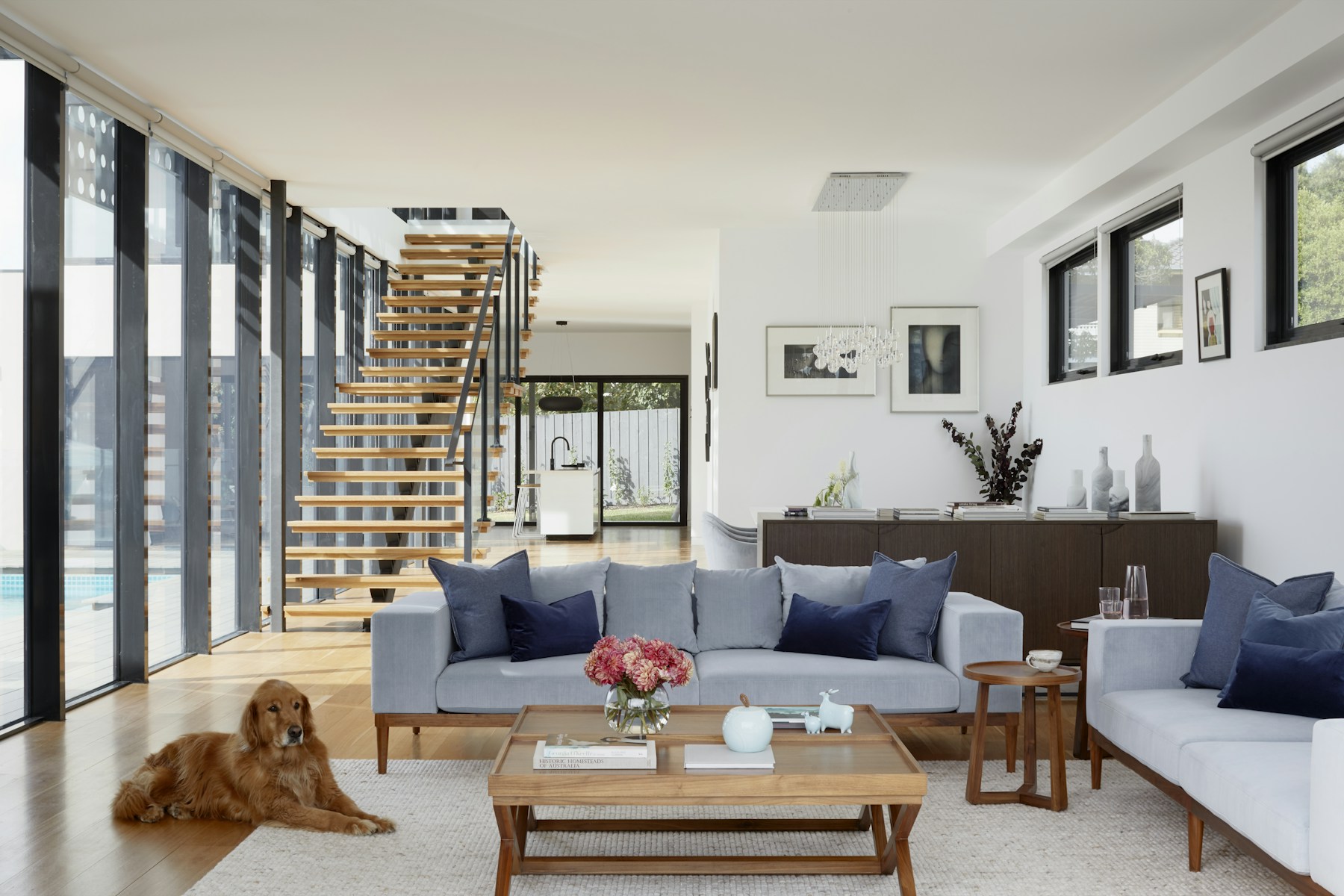
Boutique Hotel Design Ideas
Boutique hotel design is all about creating a unique, luxurious, and highly personalised space that feels special. This guide will help you bring that distinctive, high-end feel into your own home, focusing on details, comfort, and a curated aesthetic. It’s perfect if you want to transform a room or your whole house into a memorable retreat, moving beyond standard interior design to achieve a truly bespoke atmosphere.
Fast Answer
- Core Principle: Personalised Luxury
- Key Element: Unique Touches
- Focus Area: Sensory Experience
Before You Start
- Gather inspiration from design magazines, online galleries, and actual boutique hotels. Look for styles, colours, and moods that resonate with you.
- Create a **mood board** with images, fabric swatches, paint chips, and material samples to visualise your desired aesthetic. This is crucial for staying consistent.
- Have a **clear budget** in mind. Boutique design often involves investing in quality pieces, so knowing your financial limits from the start is key.
- Measure your spaces accurately. Understanding the dimensions of your rooms helps in planning furniture placement and scale.
- Outline your **design plan or sketch**. This doesn't need to be professional, but a basic drawing helps translate ideas into practical layouts.
- Consider the **function** of each room. A beautiful space must also be practical and comfortable for daily living.
Step-by-Step Instructions
1. Define Your Unique Story and Theme
Every great boutique hotel has a story or a distinct personality. Your home should, too. Think about what feel you want to create. Is it a calm, minimalist sanctuary, a bold art deco haven, a quirky vintage retreat, or a natural, earthy escape? This overarching theme will guide all your choices, from colours to furniture.
Start by asking yourself: What story do I want this room to tell? What emotions should it evoke? Research themes that appeal to you – perhaps an urban loft, a country manor, or a coastal hideaway. Look at how real boutique hotels achieve their unique identity and see how you can adapt elements to your own space.
2. Master the Art of Colour and Texture
Boutique hotels excel at using rich, layered colours and textures to create depth and warmth. Go beyond simple painted walls. Consider **textured wallpapers**, **fabric wall panels**, or even **bespoke murals** to add visual interest. Choose a sophisticated colour palette, often with deeper, moodier tones or unexpected accent colours.
Combine different textures: think velvet upholstery, chunky knit throws, polished wood, soft linens, and metallic accents. These layers appeal to the senses and make a room feel luxurious and inviting. Don't forget the floor; a plush rug can define a space and add significant warmth.
3. Invest in Statement Lighting
Lighting is paramount in setting the mood in any boutique space. Avoid relying on a single overhead light. Instead, use a combination of **ambient**, **task**, and **accent lighting**. Install dimmable switches for flexibility. A striking **chandelier** or an oversized **pendant lamp** can serve as a focal point.
Add **table lamps** with interesting bases and shades, **floor lamps** for corners, and **wall sconces** to highlight artwork or create a soft glow. Consider hidden LED strips to wash walls with light or illuminate shelving. The goal is to create layers of light that can be adjusted for different times of day and activities.
4. Curate Unique Furniture and Accessories
Forget matching furniture sets. Boutique design is about a curated mix of pieces that tell a story. Source furniture from different eras – perhaps a vintage chest of drawers paired with a contemporary sofa, or a classic armchair alongside a modern coffee table. Look for items with interesting shapes, materials, or historical significance.
Accessories are equally important. Select unique objects, such as hand-blown vases, artisanal ceramics, interesting sculptures, or framed prints by local artists. Avoid mass-produced decorative items. Every piece should feel special and intentionally chosen to add to the room's narrative.
5. Elevate the Bathroom Experience
The bathroom in a boutique hotel is often a highlight, offering a spa-like retreat. Replicate this by focusing on high-quality fixtures and thoughtful details. Consider a **rainfall shower head**, a freestanding bath, or a vanity with a unique countertop material like marble or quartz. Good lighting is crucial here too, with task lighting around the mirror and softer ambient lighting for relaxation.
Use luxurious towels, provide quality toiletries in elegant dispensers, and add elements like fresh plants, scented candles, or a small stool. Keep surfaces clear and uncluttered. If a full renovation isn't possible, upgrading taps, adding a statement mirror, and improving lighting can make a big difference.
6. Focus on Comfort and Practicality
While aesthetics are key, boutique design never sacrifices comfort or usability. In bedrooms, invest in a **high-quality mattress**, luxurious bedding (high thread count sheets, plump pillows, a weighty duvet), and perhaps a padded headboard. Ensure seating areas are genuinely comfortable with good support and soft cushions.
Think about how the space will be used daily. Are there convenient places to put down a drink, charge a phone, or store belongings? Smart design integrates practicality seamlessly so that functionality enhances the overall experience without disrupting the visual flow. Don't forget ample, discreet storage.
7. Incorporate Art and Personal Touches
Art is central to creating a sophisticated and unique atmosphere. Rather than generic prints, select pieces that resonate with your theme and personal taste. This could be original artwork, limited-edition prints, abstract pieces, or striking photography. Consider grouping smaller pieces in a gallery wall or making a single, large piece the focal point.
Personal touches are what truly make a house a home, even in a hotel-inspired setting. Display curated collections of books, travel souvenirs, or framed personal photographs (tastefully arranged). These elements add warmth and personality, distinguishing your space from a generic showroom.
8. Layer Scents and Sounds
The sensory experience is a hallmark of boutique hotels. Introduce inviting scents through **diffusers**, **high-quality scented candles**, or **room sprays**. Choose fragrances that complement your room's theme – perhaps woody and musky for a cosy den, or fresh and citrusy for a bright bathroom.
Consider the soundscape of your home. Can you reduce external noise? Inside, a subtle background playlist can enhance relaxation or focus. High-quality **hidden speakers** or a beautifully designed sound system can add to the luxurious feel without being visually intrusive. The overall aim is to create an environment that engages all the senses in a positive way.
9. Plan Thoughtful, Hidden Storage
A key aspect of a calm, luxurious space is the absence of clutter. Boutique hotels master this with clever, often built-in, storage solutions. Incorporate **bespoke joinery** like fitted wardrobes, integrated shelving, or storage benches. Consider ottoman beds with under-mattress storage or coffee tables with hidden compartments.
The goal is to provide a home for everything so that daily necessities can be easily put away, leaving surfaces clear and spaces feeling expansive and serene. Good storage planning makes the room not only look better but also function more smoothly in real life.
Quick Reference
| Situation | Use this | Why |
|---|---|---|
| Room feels flat or uninviting | Layer textures (velvet, wood, metal) and varied lighting | Adds depth, warmth, and adjustable ambiance, engaging multiple senses. |
| Struggling for a cohesive look | Define a clear theme or story for the room | Provides a guiding principle for all design choices, ensuring consistency. |
| Bathroom lacks luxury feel | Upgrade fixtures, add premium textiles, introduce plants & scents | Small changes elevate the everyday routine into a spa-like experience. |
| Space looks generic or 'showroom-like' | Incorporate unique art, vintage finds, and personal mementos | Adds character, history, and a bespoke feel that mass-produced items lack. |
| Room feels cluttered or disorganised | Invest in hidden, integrated storage solutions | Keeps surfaces clear and maintains a serene, high-end appearance. |
Common Problems When You Adopt Boutique Hotel Design Ideas
-
Too Many Ideas, Cluttered Outcome:
Problem: You love many different boutique styles and try to incorporate them all into one space, leading to a jumbled, overwhelming look rather than a cohesive, curated one.
Fix: Revisit your initial theme or story. Be ruthless in eliminating elements that don't fit that core vision. Stick to a main style and use other styles only for subtle accents. Your mood board should be your guiding star.
-
Ignoring Practicality for Aesthetics:
Problem: You choose stunning but uncomfortable furniture, or materials that look great but aren't durable for daily home life, especially with children or pets.
Fix: Always balance beauty with function. Test furniture for comfort. Research material durability. Opt for performance fabrics in high-traffic areas, or ensure easy-to-clean surfaces. Your home needs to *work* as well as look good.
-
Overlooking the Importance of Lighting:
Problem: Relying on a single overhead light source, which can make a room feel flat, stark, or inadequately lit for different moods or tasks.
Fix: Create a comprehensive lighting plan. Incorporate at least three types of lighting (ambient, task, accent) in each room. Use dimmers on all circuits. Pay attention to bulb warmth for different areas, ensuring a cosy glow where desired.
-
Budget Creep and Overspending:
Problem: The allure of high-end finishes and custom pieces can lead to spending far more than intended, especially if not planned carefully from the start.
Fix: Set a strict budget early on and track every expense. Prioritise which elements are most important to splurge on (e.g., a statement piece of furniture, quality flooring) and where you can save (e.g., DIY paint, finding second-hand accessories). Look for quality alternatives to expensive materials.
-
Trying to Directly Copy a Hotel Room:
Problem: You attempt to exactly replicate a hotel room you admire, resulting in a space that feels impersonal, cold, or not quite right for your home's unique character.
Fix: Take inspiration, don't copy. Translate elements of the hotel design (e.g., the colour palette, the use of texture, the art style) into a version that fits your lifestyle and existing architecture. Inject your personality through personal art, photos, and objects to make it truly yours.
Advanced Tips for Boutique Hotel Design Ideas
- Consider Custom Joinery: For a truly seamless and bespoke look, invest in **custom-built cabinetry, shelving, or wall panelling**. This allows for integrated storage, perfectly fitted media units, or unique architectural features that elevate the space and hide everyday clutter effortlessly. It's a significant investment but offers unparalleled sophistication.
- Integrate Smart Home Technology Discreetly: Boutique hotels often feature intuitive technology. Incorporate **smart lighting, climate control, or even hidden audio systems** that can be controlled via an app or voice. Ensure the technology is integrated smoothly, with minimal visible wires or unsightly devices, maintaining the aesthetic.
- Commission Bespoke Art or Furniture: Instead of buying off-the-shelf, consider commissioning a piece of art from a local artist or having a piece of furniture custom-made. This guarantees originality and ensures the item perfectly fits your design scheme, adding a truly exclusive touch.
- Elevate Architectural Details: If your home has existing architectural features like cornices, ceiling roses, or picture rails, restore or enhance them. If not, consider adding them. These details provide a framework of elegance and history that complements boutique styling. A bespoke fireplace surround can also be a powerful focal point.
- Create a Signature Scent Profile: Move beyond simple room sprays. Work with a fragrance expert or experiment to create a **unique signature scent** for your home. This could involve layering different essential oils in diffusers or using specific luxury candles in different zones to create a memorable, multi-sensory experience that is uniquely yours.
- Invest in Window Treatments: Beyond simple blinds, consider **layered window treatments** such as full-length, interlined curtains paired with Roman blinds or sheer curtains. This adds a dramatic, luxurious feel, provides excellent insulation, and allows for precise control over light and privacy. Quality hardware is also key.
Boutique Hotel Design Ideas FAQ
What exactly is "boutique hotel design"?
Can I achieve this look on a small budget?
How do I avoid my home looking like a "showroom" or too commercial?
What's the most important element to get right for a boutique feel?
Should I use bold colours or stick to neutrals?
Final Checklist for Boutique Hotel Design Ideas
- Defined Theme: Have you established a clear, guiding story or mood for your space?
- Cohesive Colour Palette: Are your chosen colours harmonious and reflective of your theme?
- Layered Textures: Have you incorporated a variety of materials for depth and sensory appeal?
- Statement Lighting: Is there a mix of ambient, task, and accent lighting with dimmers?
- Curated Furniture: Have you selected unique pieces that avoid a "matched set" look?
- High-Quality Bedding/Towels: Are your linens luxurious and comfortable?
- Spa-Like Bathroom Touches: Have you elevated your bathroom with quality fixtures and details?
- Art and Personalisation: Does the space include artwork and personal items that tell your story?
- Sensory Elements: Have you considered scents and subtle sounds to enhance the atmosphere?
- Thoughtful Storage: Is clutter hidden away with effective and discreet storage solutions?
- Comfort Check: Is the space truly comfortable and practical for daily use?
- Budget Review: Have you kept track of costs and stayed within your allocated budget?